Life on the road
SA fuel taxes questioned
The AA has condemned October's record fuel prices and is calling for the RAF levy to be scrapped and a R3 a litre cut to the general fuel levy.
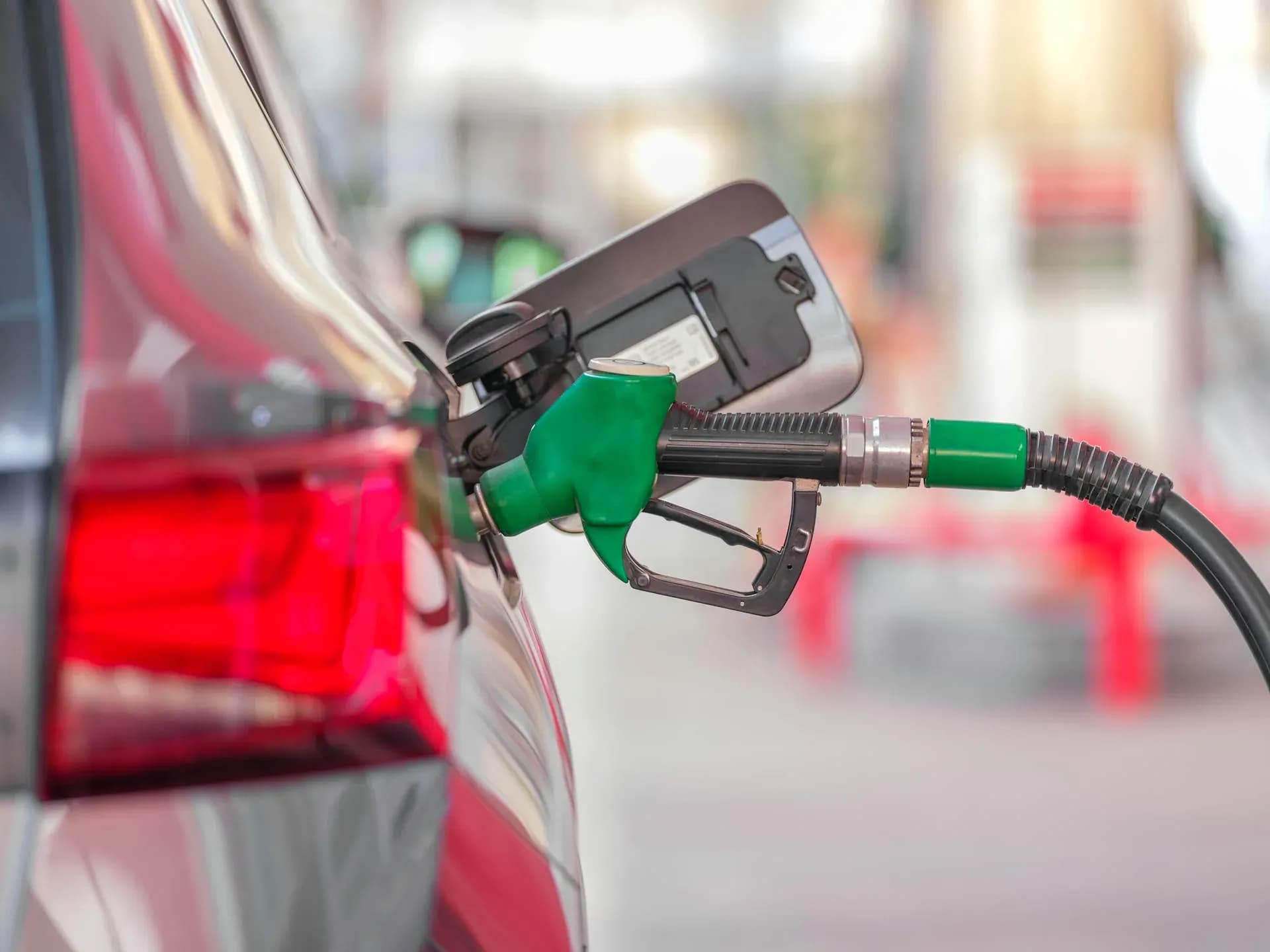
The Automobile Association of South Africa (AA) has condemned the fuel price increase that took effect on 7 October, which pushed petrol and diesel to the highest prices South Africans have ever paid. Early data from the Central Energy Fund (CEF) signals a further rise of up to R4.58 a litre for petrol in November.
Adding insult to injury, the Road Accident Fund (RAF) is publishing its annual report for the 2025/26 financial year, which includes a request to increase the RAF levy for both petrol and diesel locally.
The RAF levy, as part of the fuel price, currently stands at R2.25 per litre after what the AA calls an already audacious seven-cent increase earlier this year at the start of April. The AA reminds the government that the taxpayer pays the salaries, and as a consumer body here for almost a century, the AA’s call is clear: abolish the RAF levy immediately.
According to the AA, there is an urgent need to find more appropriate ways to solve for the RAF’s mandate and allow the embattled consumer to continue contributing meaningfully to the economy.
Bobby Ramagwede, CEO of the Automobile Association, contextualises the issue. “The AA acknowledges the short-term General Fuel Levy relief that, on a sliding scale, was implemented earlier in the year when National Treasury cut fuel levies by R3 a litre in April, at a cost of approximately R17 billion. We warned at the time, though, that this strategy needed to have a longer-term consumer vision, today we are digesting the lack of Treasury’s foresight for the longer-term relief position the AA called for”.
Can SA afford the cuts?
The AA also challenges Finance Minister Enoch Godongwana when he says that offsetting fuel relief today would sway the cost to taxpayers or government borrowing.
“Recover it from waste,” Ramagwede stresses. “Year after year, government has found billions for failing state companies. It can find the money to keep South Africa moving. We maintain that government can afford to cut the general fuel levy by R3 a litre, which would materially reduce the inflationary impact of fuel price changes – especially when you factor in that an enormous 25 per cent of your fuel price right now is taxes”.
The AA adds that, with predictions that the latest fuel increase will push consumer inflation above 5 per cent, interest rate relief could be delayed for every household servicing debt.
The AA also reminds Godongwana that diesel alone has doubled this year, from R17 a litre in January to more than R34, with early Central Energy Fund data painting a grim picture of wholesale diesel rising by a further R2.56 to R2.91 a litre in November. “This is not inflation, this is extortion,” the AA says.